Blog
Articles and updates on rope access, safety and building maintenance.
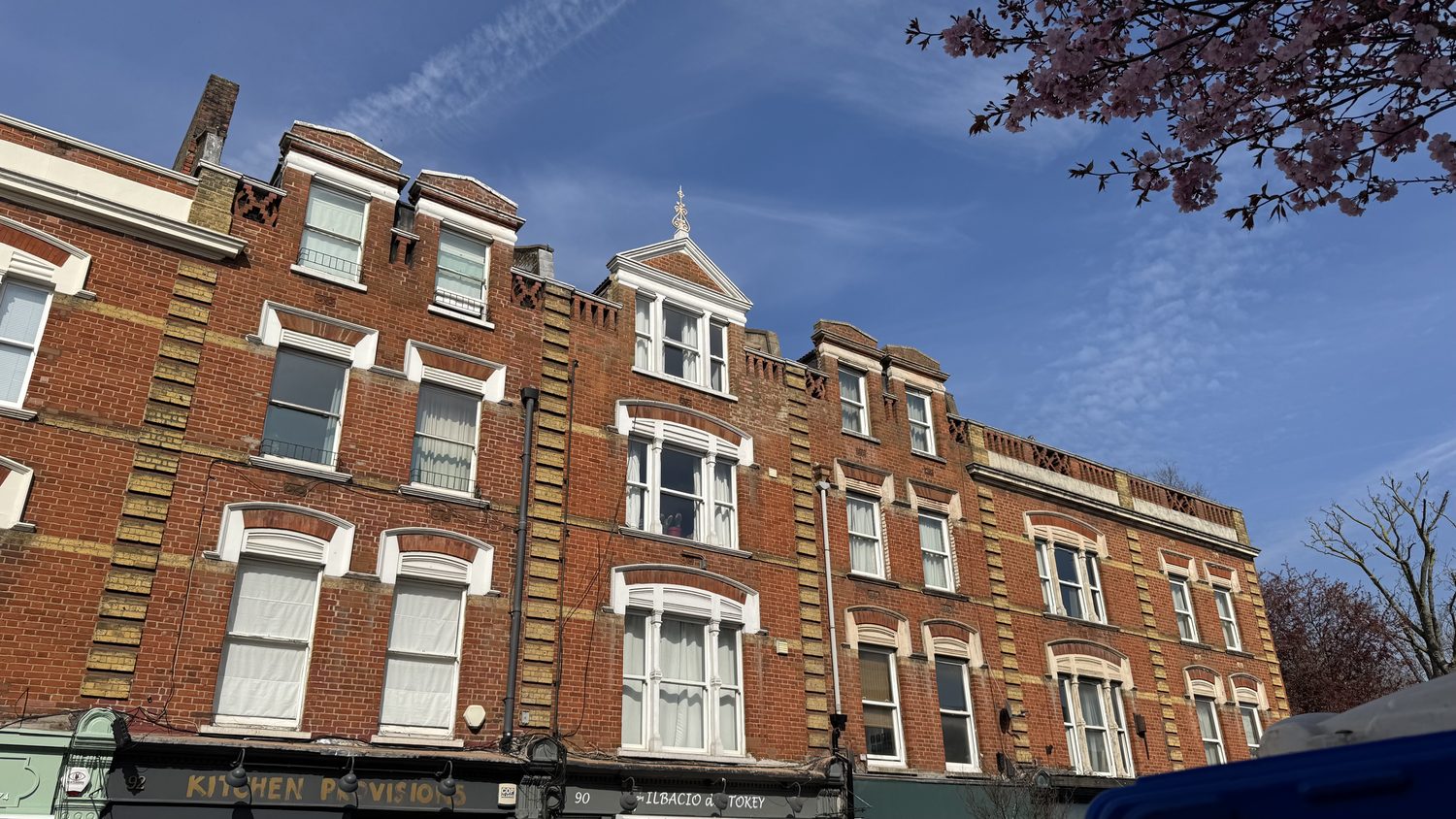
A leak at Stoke Newington: the roof was fine, the brickwork was not
Damp at a top-floor window reveal in N16. The roof was inspected first and found sound; the water was coming through crumbling brickwork around the windows. The repair, and the three-week wait before anything was redecorated.
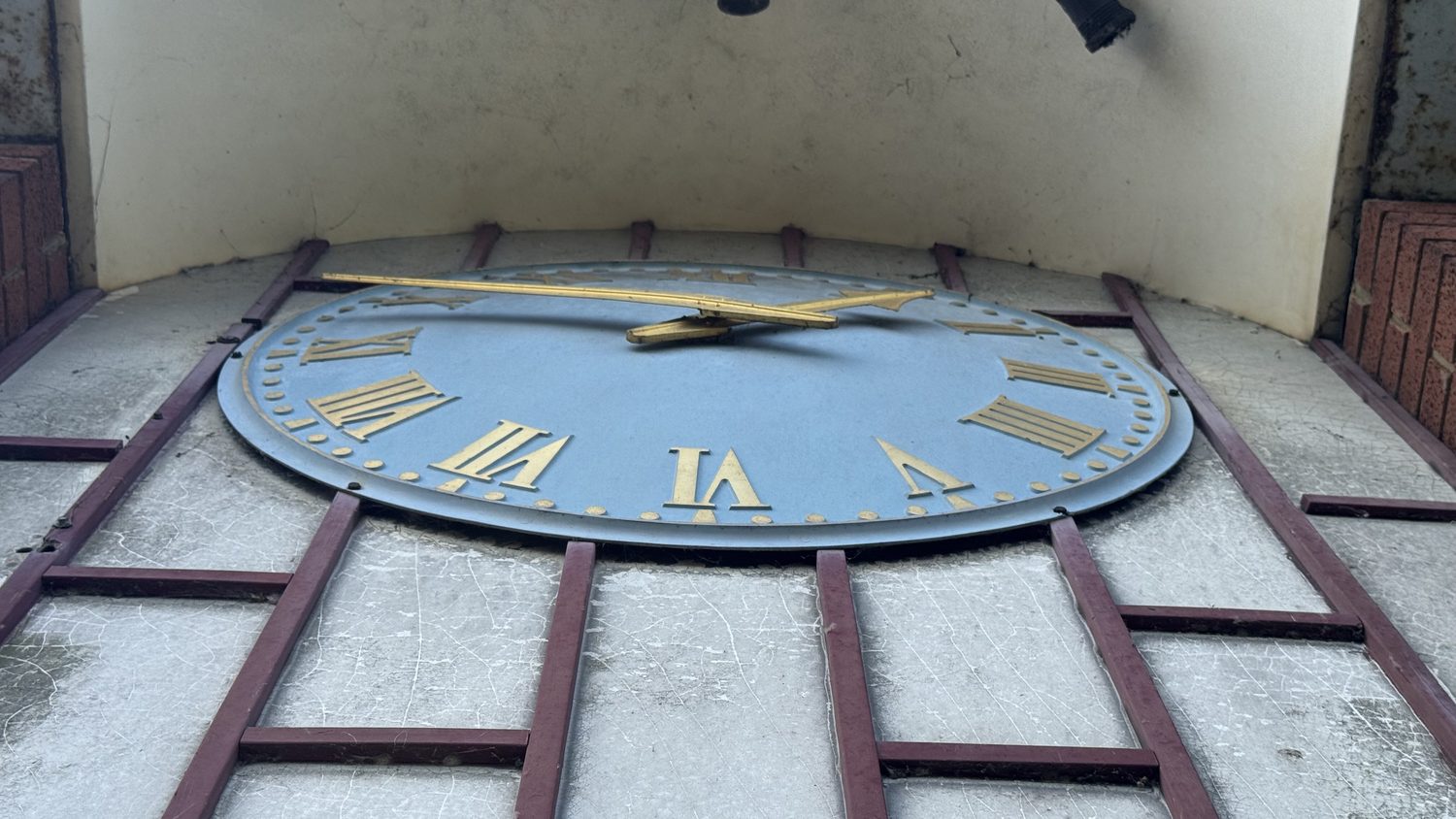
Forty-one findings on a clock tower, including one nobody could see from the ground
A steel structure inspection at Trinity Business Park, Chingford, covering four elevations by rope access in a single visit. Forty-one findings, and why the most important one was invisible from ground level.
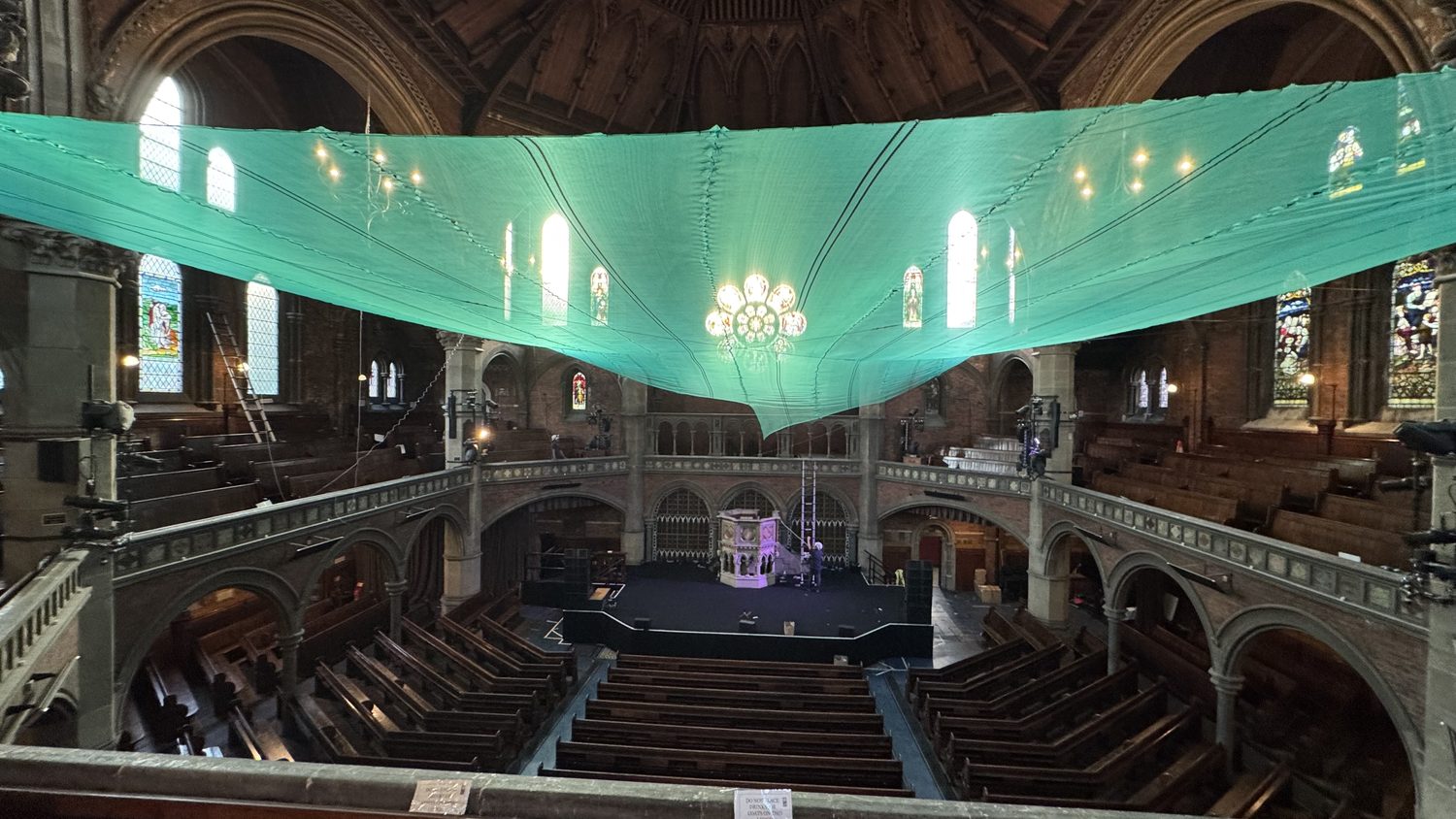
Emergency debris netting at Union Chapel: Saturday call, Sunday completion
An urgent Saturday afternoon enquiry at Union Chapel, with events starting Monday morning. How temporary debris netting was sourced and installed across the weekend, and an honest account of what a temporary measure does and does not do.
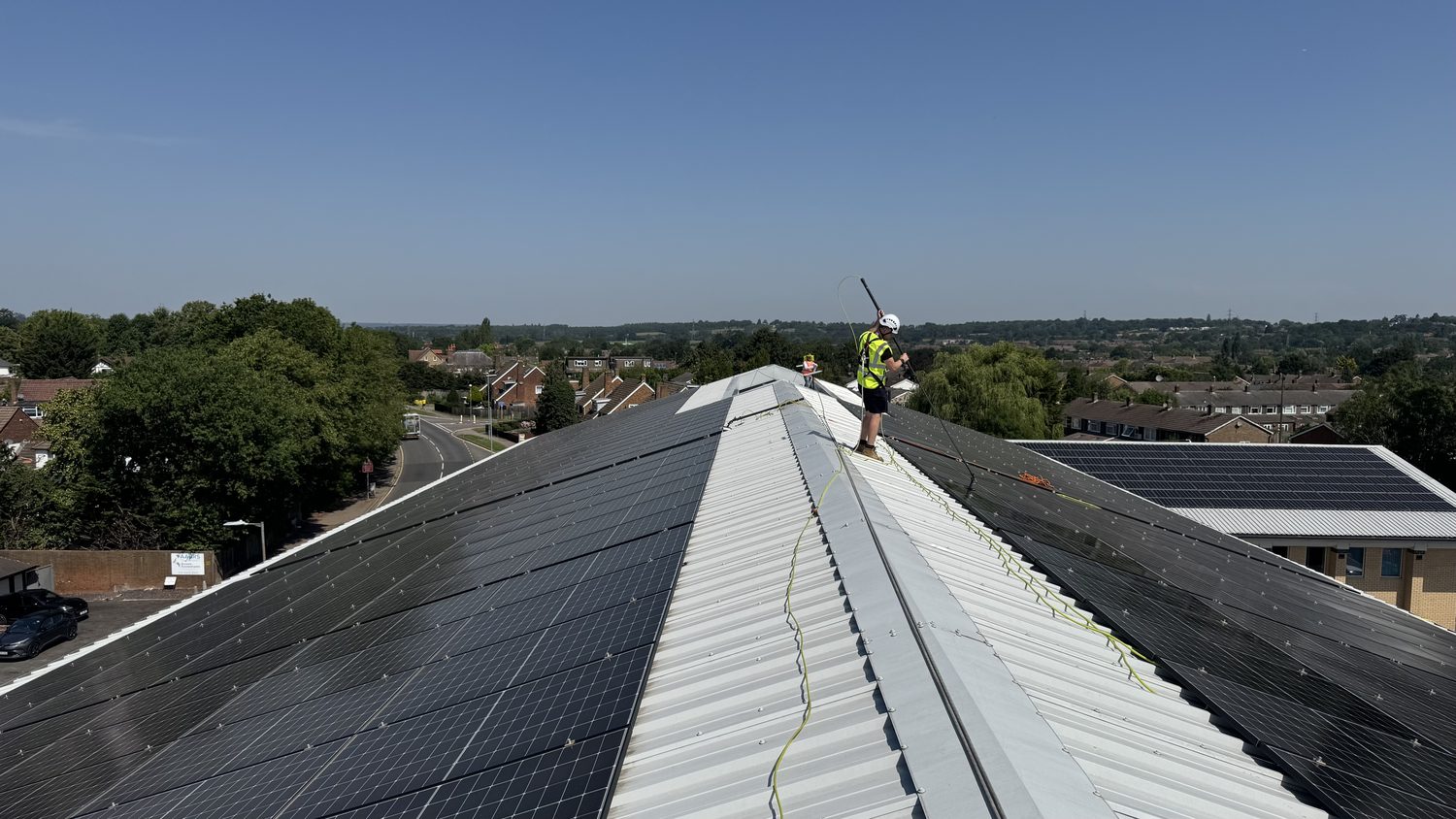
Cleaning a rooftop solar array you are not allowed to walk on
Every solar cleaner shows you the half-clean panel photo. On a commercial roof the real question is how anyone reaches several hundred panels without putting a boot through the sheeting.
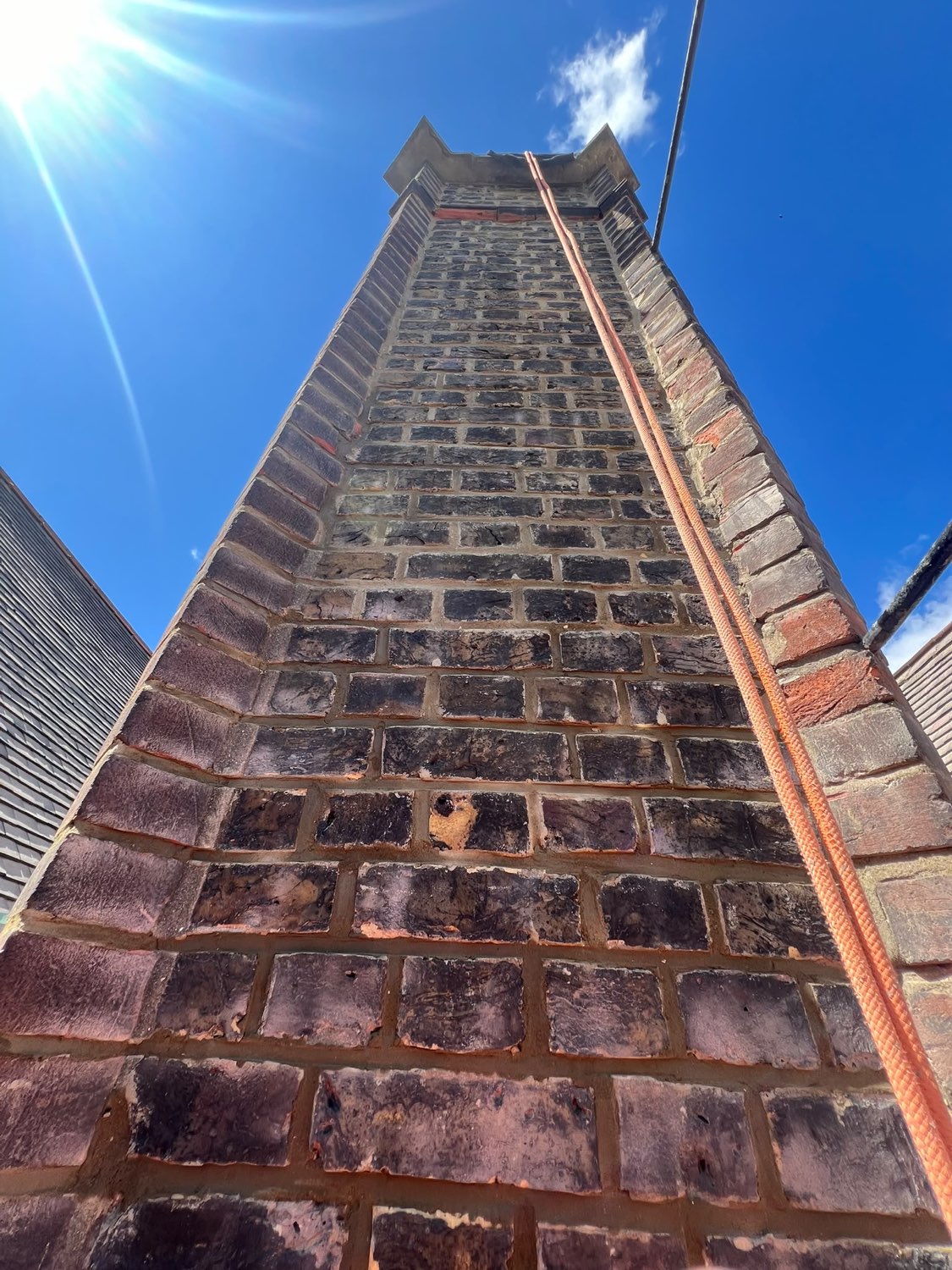
Repointing a Victorian chimney stack without a scaffold
The stack is the most exposed masonry on a London terrace and the first place the mortar goes. Why joints fail, why the scaffold usually costs more than the work, and the cement mistake that causes most of the damage.
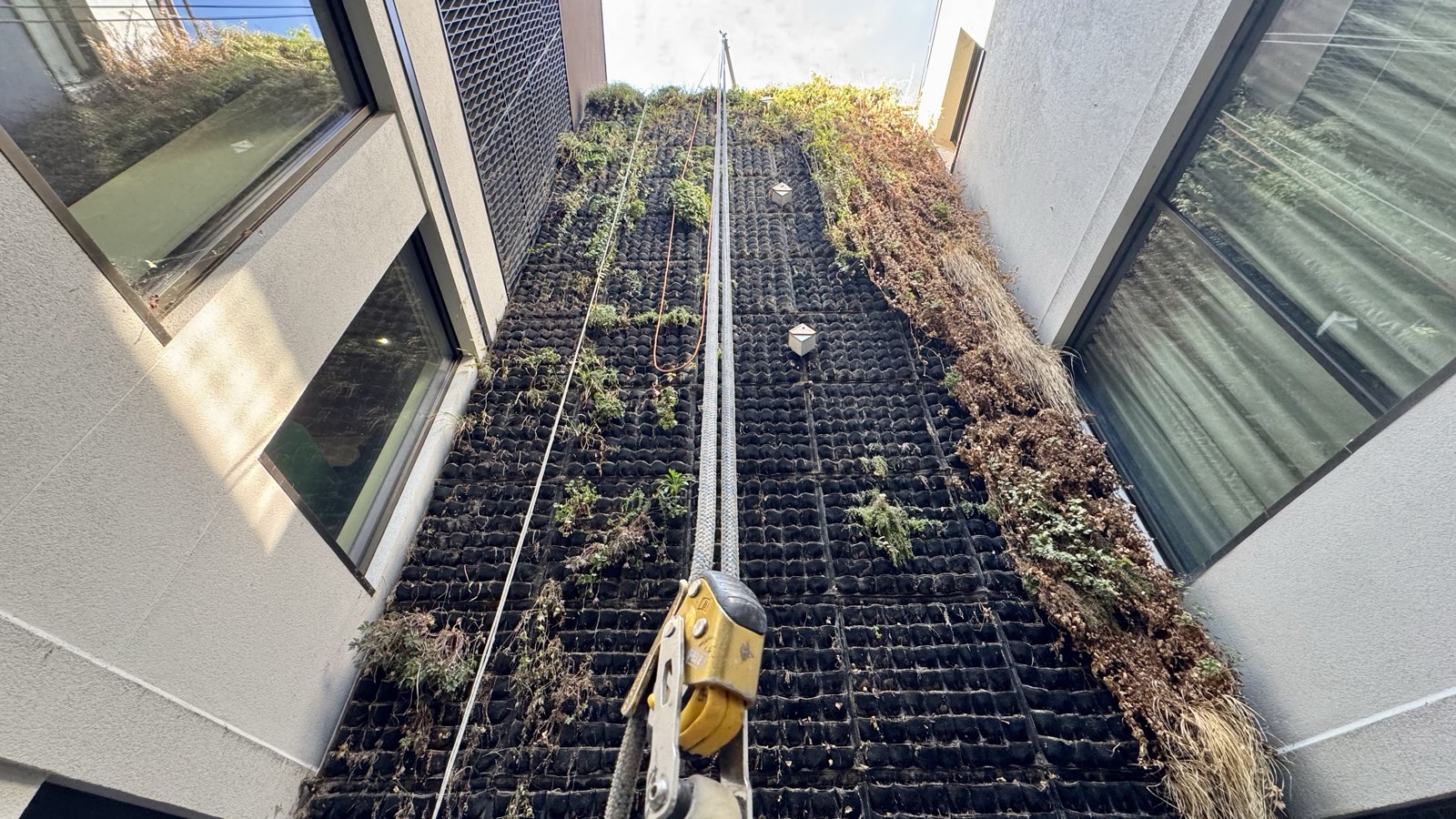
Why living walls die, and what it costs to bring one back
A green wall goes brown in a single hot fortnight if a pump fails. The cause is almost never the planting: it is that nobody can reach the wall to notice.
Roof Edge Defects and Early Warning Signs
Roof edges including parapets, flashings, and coping stones are vulnerable to defects. Learn the early warning signs that indicate maintenance is needed.
Why Painting Over Damp Does Not Solve the Problem
Painting over damp is a common but ineffective response. Learn why internal decoration fails when the external source of moisture remains unresolved.
Internal Damp Near Upper Windows, Possible External Causes
Damp appearing near upper floor windows often has external causes including failed pointing, lintel defects, and deteriorated window surrounds.
What Landlords Should Do After Spotting Damp
A step-by-step guide for landlords on how to respond to damp reports. Do not just paint over it. Investigate the source and fix the cause properly.
Do You Always Need Scaffolding for Roof Repairs
Scaffolding is not always necessary for roof repairs. Learn when rope access is a faster, cheaper alternative and when scaffolding is genuinely required.
How Long Does a Wall Take to Dry After Water Ingress
After water ingress, walls can take weeks or months to dry. Learn what affects drying time and why fixing the source must come before redecoration.
Why Preventive Roof Maintenance Matters for Landlords
Preventive roof maintenance saves landlords money, reduces tenant complaints, and protects property value. Learn why proactive care beats reactive repairs.
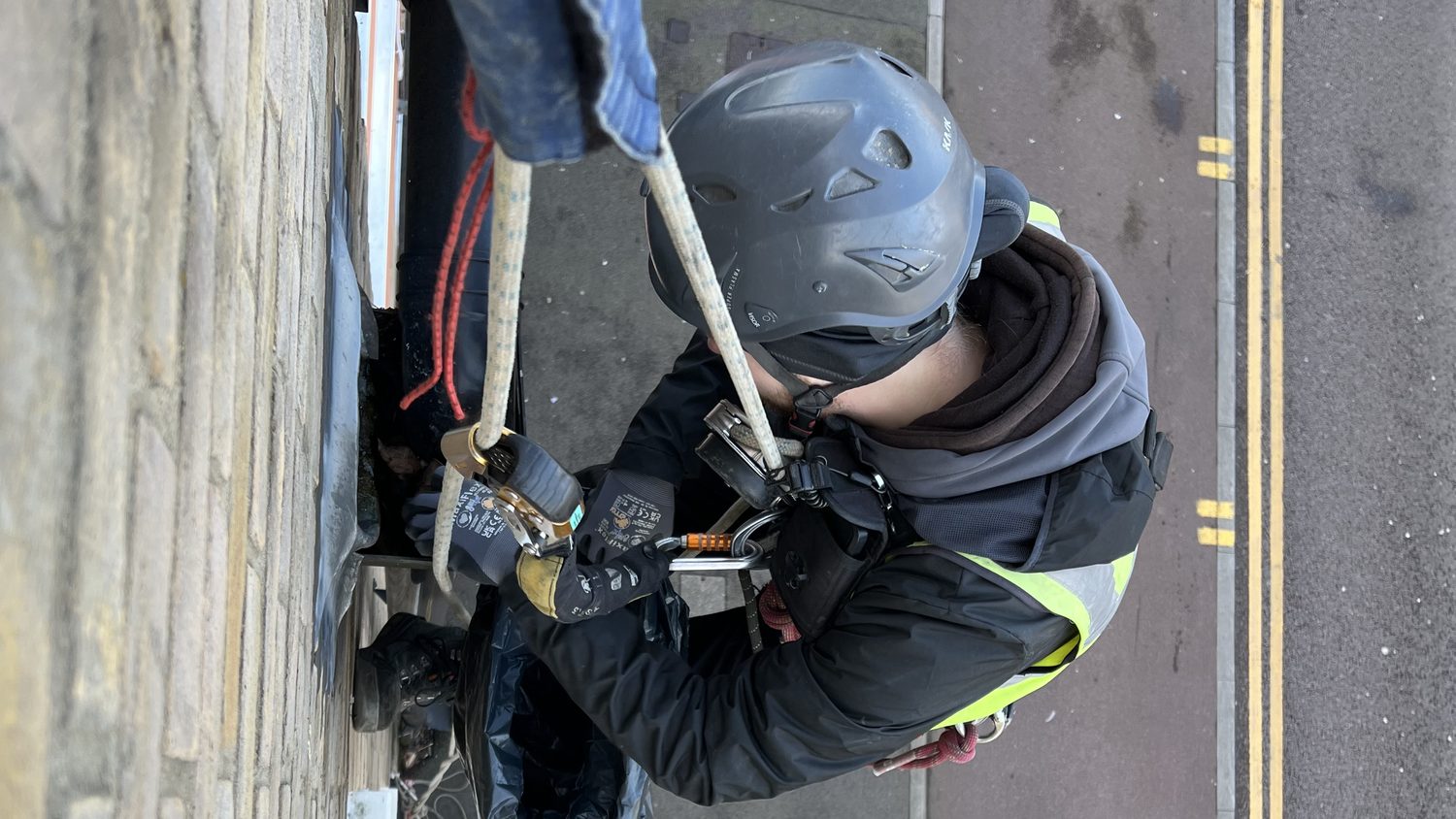
How Blocked Gutters Cause Wet Walls
Blocked gutters are a leading cause of wet walls in London properties. Learn how gutter overflow saturates masonry and what landlords can do to prevent it.
Why Failed Pointing Causes Damp
Deteriorated mortar joints allow water to penetrate deep into masonry. Learn how failed pointing causes damp and why repointing is essential maintenance.
Signs Your Roof Needs Maintenance
Learn the visual warning signs that indicate your roof needs professional maintenance before small defects become expensive water damage problems.
How Parapet Walls Cause Water Ingress
Parapet walls are one of the most common sources of water ingress in London buildings. Learn how defects develop and what repairs are needed.
Why Top Floor Flats Get Damp
Top floor flats are uniquely vulnerable to damp because of their proximity to roofs, parapets, and gutters. Learn why moisture appears and what landlords can do.
How Rope Access Saves Money on Building Maintenance
Discover how rope access can significantly reduce your building maintenance costs compared to traditional access methods like scaffolding and MEWPs.
UK Safety Standards for Working at Height: What You Need to Know
Understanding UK regulations for working at height, including the Work at Height Regulations 2005, HSE guidance, and employer responsibilities.
5 Signs Your Building Needs Professional Maintenance
Identify the key warning signs that your building requires professional high-level maintenance before small issues become expensive repairs.
Rope Access vs Scaffolding: A Cost and Efficiency Comparison
Compare rope access and scaffolding for building maintenance. Discover which method offers better value, speed, and results for your project.
What is IRATA Certification and Why Does It Matter?
Learn about IRATA certification, the international standard for industrial rope access, and why it matters for safety and quality when working at height.